

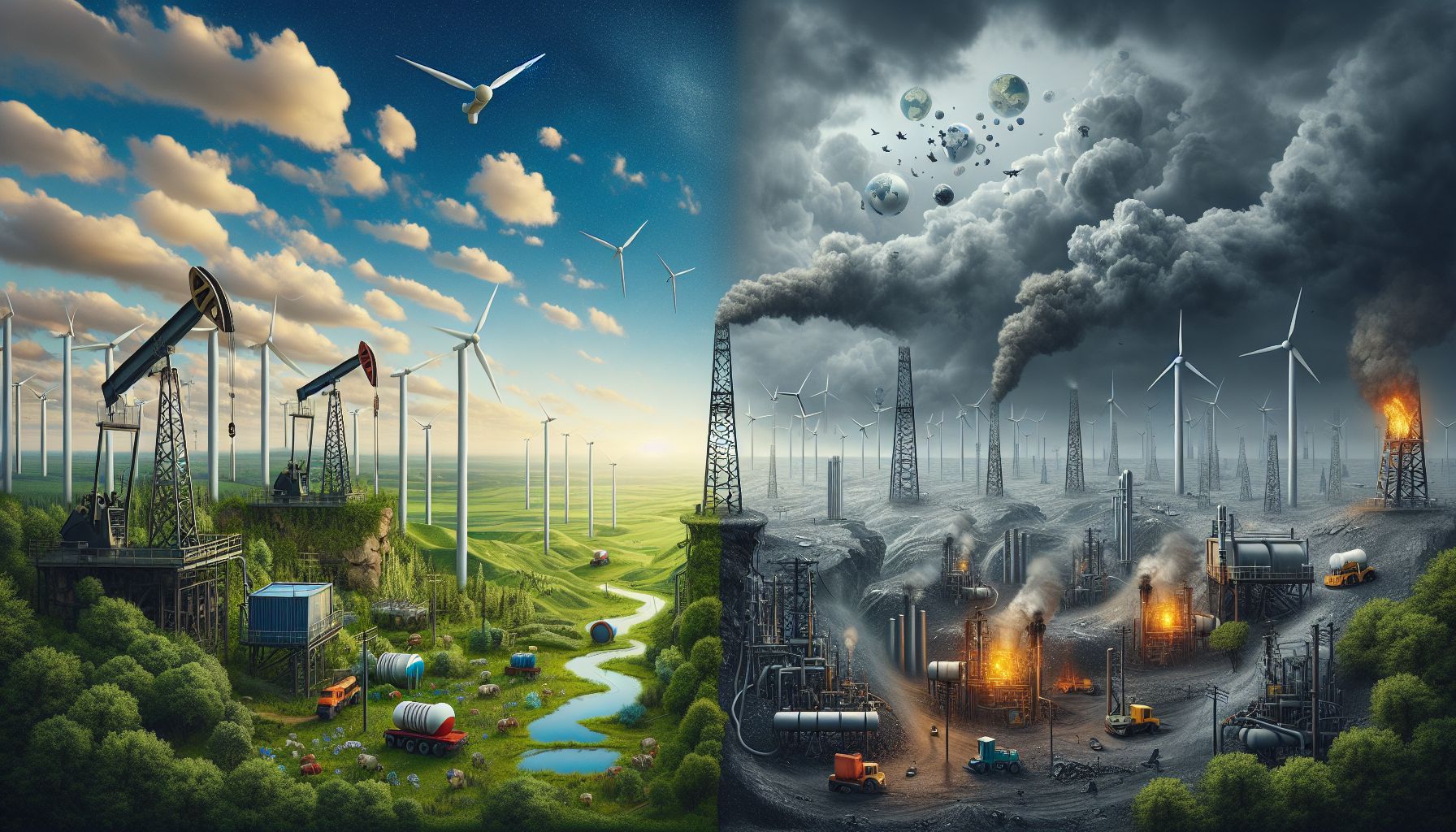
Canada’s oil and gas industry has long been a pillar of the nation’s economy, providing thousands of jobs and contributing significantly to its overall GDP. However, the future of this industry is shrouded in mystery, with numerous challenges and uncertainties on the horizon. In this blog post, we will delve into some of these complexities, exploring the possibilities and potential scenarios that lie ahead for Canada’s oil and gas sector.
A Changing Landscape
The oil and gas industry in Canada is no stranger to volatility. Fluctuating oil prices, geopolitical tensions, and environmental concerns have all played a role in shaping its trajectory. But now, with the urgent need to address climate change and transition toward renewable energy sources, the industry is at a crossroads.
Shifting Priorities
In recent years, global efforts to reduce greenhouse gas emissions have intensified, and Canada is no exception. The country’s commitment to the Paris Agreement and its aim to become carbon-neutral by 2050 have paved the way for a significant shift in priorities within the oil and gas industry.
Embracing Innovation
Amidst the challenges faced by the industry, innovation emerges as a beacon of hope. Companies within the sector are increasingly investing in new technologies and practices to reduce their environmental footprint, improve efficiency, and explore alternative energy sources.
The Rise of Renewables
As the world moves towards a greener future, renewable energy sources are gaining momentum. Canada, with its vast natural resources, is in a unique position to capitalize on this shift. The country already boasts significant hydropower capacity and is exploring opportunities in wind, solar, and geothermal energy.
Balancing Act
Canada’s oil and gas companies now face the dual challenge of sustaining their current operations while adapting to the changing energy landscape. This balancing act requires careful planning and strategic decision-making to ensure a smooth transition toward renewable energy sources without compromising economic stability and job creation.
Government Policies
The role of governments in shaping the future of the oil and gas industry cannot be overstated. Canada’s federal and provincial governments are actively involved in setting policies to support sustainable development while meeting the energy needs of the country. Initiatives such as carbon pricing, emissions regulations, and clean energy incentives are all aimed at fostering a more sustainable and resilient industry.
Economic Implications
The transition towards renewable energy sources undoubtedly poses economic challenges for the oil and gas industry. The potential decline in demand for fossil fuels and the need for substantial investments in renewable infrastructure necessitates a carefully managed transition. However, it is worth noting that the shift towards renewable energy also brings new opportunities for job creation, innovation, and economic growth.
Conclusion
As Canada’s oil and gas industry navigates its way through an uncertain future, one thing is clear – change is inevitable. Embracing this change, exploring innovative solutions, and collaborating with stakeholders will be key to the industry’s resilience and long-term success. By proactively addressing environmental concerns, adopting greener practices, and diversifying into renewable energy sources, the Canadian oil and gas sector can transform itself into a global leader in the energy transition.
The road ahead may be perplexing and filled with challenges, but it also holds immense potential for growth and transformation. By staying adaptable and creatively addressing these challenges head-on, the oil and gas industry in Canada has an opportunity to sculpt a sustainable and prosperous future for itself and the nation as a whole.