

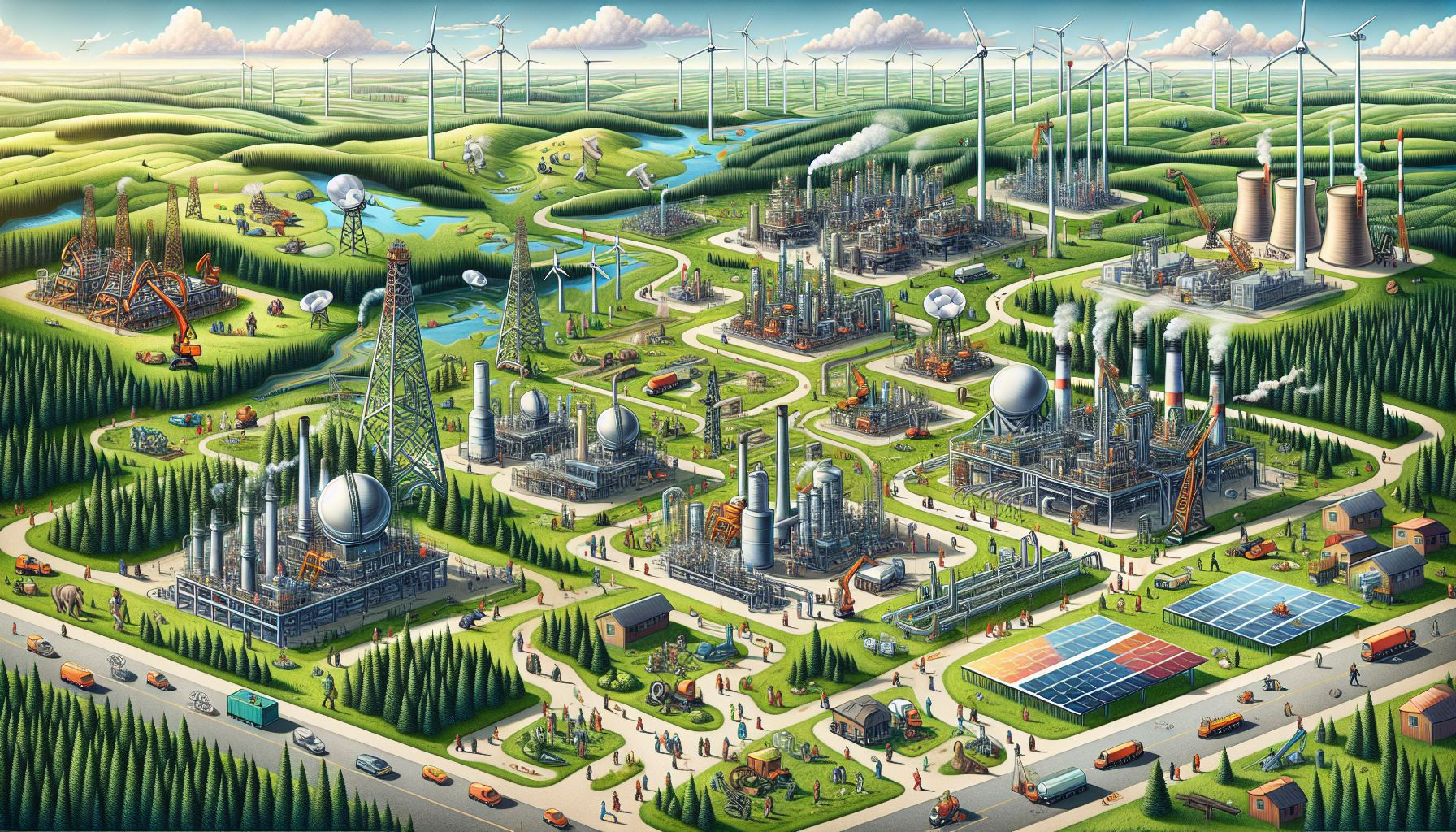
For decades, the oil and gas industry has played a significant role in Canada’s economy, fueling growth and providing employment opportunities to millions of Canadians. With vast reserves of natural resources and advanced technologies, Canada has emerged as one of the world’s largest producers of oil and gas. This article explores the industry’s impact, challenges, and its commitment to sustainability.
A Promising Beginning
Canada’s oil and gas industry has a rich history. It dates back to the discovery of the first significant oil field in 1858 in Ontario. Since then, this sector has evolved exponentially, aided by technological advancements and favorable government policies. Today, Canada sits atop abundant reserves, making it one of the world’s principal energy providers.
The Economic Backbone
The oil and gas industry has long been hailed as the backbone of Canada’s economy, contributing significantly to its GDP and national wealth. The sector empowers economic activities, offering countless job opportunities, and generating substantial revenues for both the government and industry players. It has become the lifeblood that fuels Canada’s growth on a global stage.
Embracing Technological Advancements
One of the keys to Canada’s success in the industry lies in its ability to embrace technological advancements. From drilling techniques to extraction processes, Canada has always been at the forefront of innovation. Advanced drilling technologies, such as horizontal drilling and hydraulic fracturing, have unlocked previously untapped resources, boosting production and attracting major investments in the sector.
Environmental Concerns and Sustainability Efforts
As the world grapples with the urgent need to address climate change and transition to cleaner energy sources, the oil and gas industry faces its share of challenges. Critics argue that the extraction and refining processes contribute to greenhouse gas emissions and environmental degradation. However, industry players have recognized these concerns and are committed to implementing sustainable practices.
Transitioning to Cleaner Energy
Rather than resisting change, the oil and gas industry in Canada has recognized the importance of transitioning to cleaner energy solutions. Many companies are investing heavily in researching and developing alternatives such as renewable energy, carbon capture and storage (CCS), and hydrogen fuel cells. This transition not only reduces environmental impact but also opens up new opportunities for growth and diversification.
Collaborative Approaches and Indigenous Partnerships
The industry acknowledges the significance of collaboration and partnership, particularly with Indigenous communities. Canada’s energy sector has been actively engaging in meaningful consultation and negotiation with Indigenous groups to foster mutually beneficial relationships. By respecting their rights and involving them in decision-making processes, the industry strives to ensure a sustainable and inclusive future.
The Road Ahead
While the oil and gas industry faces its challenges, it is clear that Canada’s commitment to sustainability and technological innovation sets it apart. As the world evolves, so too must the energy sector. By embracing renewable and cleaner energy solutions, investing in research and development, and fostering collaboration with Indigenous communities, Canada’s oil and gas industry paves the way for a prosperous and sustainable future.
In conclusion, the oil and gas industry in Canada has been a pillar of economic growth, providing employment opportunities and generating substantial revenues. By leveraging technology and embracing sustainable practices, this industry continues to fuel the nation’s progress while striving for a greener future. Canada stands at a crossroads, ready to navigate the changing energy landscape and take on the challenges that lie ahead.